

Which is better for export and demanding operating environments?
When purchasing used trucks for export markets, one of the most important technical differences buyers should understand is the type of fuel injection system used by the engine.
Most diesel trucks fall into two broad categories:
- Manual (mechanical) injector pump engines
- Electronic injection engines
Both systems have advantages and disadvantages depending on how and where the truck will be used. For many international buyers, particularly in developing markets, this difference can significantly affect maintenance, reliability, and operating costs.
1. What Is a Manual Injector Pump?
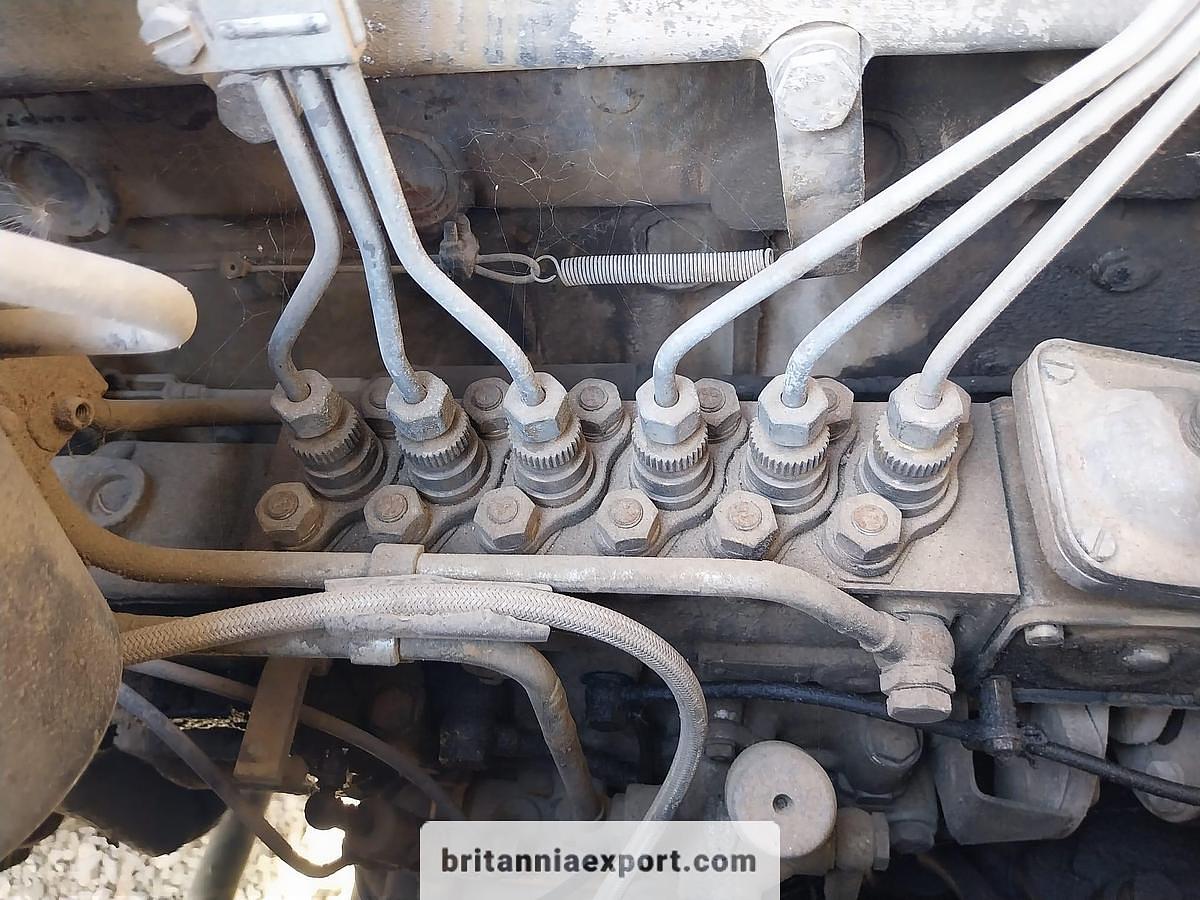
A manual injector pump, often called a mechanical diesel injection pump, is a fuel delivery system controlled mechanically rather than electronically.
The pump delivers diesel fuel to each cylinder at the correct pressure and timing through a series of mechanical components.
These systems are typically found on older diesel engines used in many trucks built during the 1980s, 1990s, and early 2000s.
Characteristics of Manual Injector Pump Engines
- No electronic control unit (ECU)
- Mechanical fuel timing
- Simple electrical systems
- Can often be repaired with basic tools
- Highly tolerant of lower fuel quality
Common examples include many older engines from manufacturers such as:
- Mercedes-Benz
- MAN
- Scania
- Volvo
- DAF
These engines are widely used in export markets because of their durability and simplicity.
2. What Is an Electronic Injection System?
Electronic injection systems use sensors and an engine control unit (ECU) to regulate fuel delivery and engine timing.
Instead of purely mechanical control, the injection process is managed electronically to improve efficiency and emissions performance.
This technology became common with the introduction of stricter European emissions standards (Euro 3, Euro 4, Euro 5 and beyond).
Characteristics of Electronic Injection Engines
- Controlled by an ECU (engine control unit)
- Uses sensors and electronic diagnostics
- More precise fuel injection
- Lower emissions
- Improved fuel efficiency
Modern trucks often use systems such as:
- Common rail fuel injection
- Electronic unit injectors
These systems offer improved performance but are more complex.
3. Advantages of Manual Injector Pump Trucks
Many international buyers still prefer trucks with mechanical injection systems, particularly for demanding operating environments.
Key advantages include:
Simplicity
Mechanical pumps do not rely on electronic sensors or control modules.
Ease of Repair
Repairs can often be performed by local mechanics without specialised diagnostic equipment.
Fuel Tolerance
Mechanical systems can handle variations in diesel fuel quality better than sensitive electronic systems.
Proven Reliability
Many mechanical diesel engines are known for running reliably for hundreds of thousands of kilometres.
For these reasons, manual injector pump trucks are still popular in regions where maintenance infrastructure may be limited.
4. Advantages of Electronic Injection Trucks
Electronic injection systems also provide important benefits.
Better Fuel Efficiency
Precise control of fuel delivery improves combustion efficiency.
Lower Emissions
Electronic systems are designed to meet modern environmental standards.
Improved Performance
Electronic control allows the engine to optimise power output and fuel consumption.
Diagnostic Capability
Fault codes can be identified using diagnostic tools, helping technicians identify specific issues.
For operators with access to modern servicing facilities, electronic engines can offer excellent performance and efficiency.
5. Which Trucks Are Better for Export?
The choice between manual and electronic injection systems often depends on the operating environment.
In many international markets where:
- electronic diagnostic equipment is limited
- fuel quality may vary
- trucks operate in remote areas
buyers often prefer mechanical injector pump engines due to their simplicity and ease of maintenance.
However, in regions with modern service infrastructure and stricter emissions regulations, electronic injection trucks can be a practical and efficient option.
6. Choosing the Right Truck for Your Needs
When selecting a truck for export or international operation, it is important to consider:
- availability of spare parts
- access to trained mechanics
- fuel quality
- operating conditions
- emissions regulations in the destination country
Understanding the differences between these injection systems helps buyers choose equipment that will perform reliably in their working environment.
Trucks and Machinery Available for Export
Britannia Export Consultants Ltd supplies trucks, tractors, machinery, engines and spare parts sourced across Europe.
We assist international buyers with:
- vehicle sourcing
- export documentation
- container loading
- RoRo shipping arrangements
- worldwide delivery
Looking for trucks suitable for export?
Contact Britannia Export Consultants Ltd to discuss available stock and international shipping options.
📲 WhatsApp: +44 7909 208 772 / +351 91 051 1893
📩 Email: info.britannia@use.startmail.com
🌐 Website: https://www.britanniaexport.com